Clean, sharp woodwork makes the whole room look better. Here's the technique our decorators use for drip-free, brush-mark-free results.
Preparation is Everything
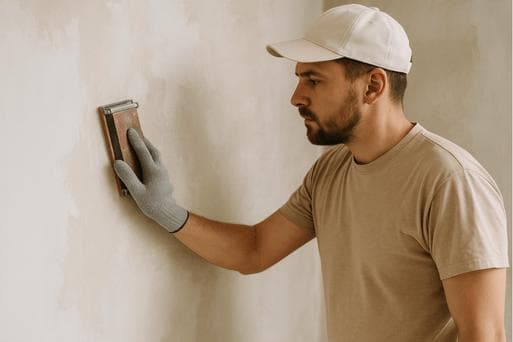
Good woodwork starts with preparation. Lightly sand existing paintwork with 120-grit paper to remove any nibs or imperfections and give the new paint something to key into. Fill any holes or dents with a fine surface filler. Wipe down with a damp cloth to remove dust. If the existing surface is very glossy, a light sanding and a coat of bonding primer will prevent adhesion failure.
Choosing the Right Brush
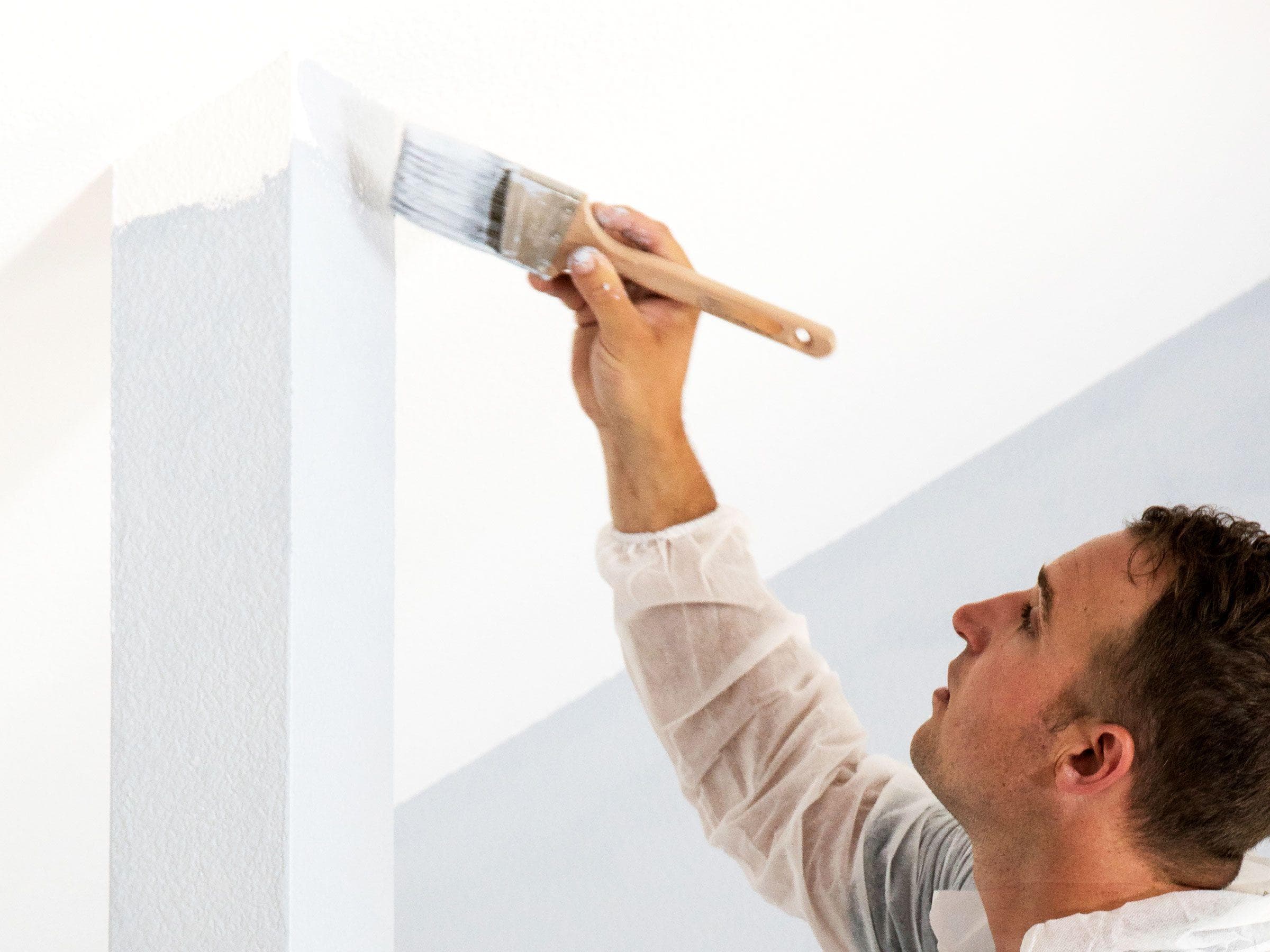
Use a 50mm (2-inch) angled cutting-in brush for skirting boards and a 75mm (3-inch) brush for doors. Natural bristle brushes work better with oil-based paints; synthetic brushes are better for water-based. Never use a brush that has been stored dry with dried paint in the bristles — it will leave marks in the finish.
The Correct Painting Sequence for Doors
Panel doors are painted in a specific sequence to maintain a wet edge and avoid lap marks: 1) Mouldings and recesses first. 2) Panels (top then bottom). 3) Horizontal rails (top, middle, bottom). 4) Vertical stiles (hinged side, then lock side). 5) Edges last. Working in this order means you always brush into a wet edge and never paint over an already-drying surface.
Cutting In Against Carpet
The most difficult skirting board task is cutting in cleanly against carpet without getting paint on the fibres. We use a metal paint guard (not masking tape, which lifts carpet fibres). Slide the guard under the skirting board against the carpet, paint the bottom edge of the skirting, move the guard along, and repeat. This achieves a cleaner line than tape and is much faster.
How Many Coats?
Bare timber needs a coat of wood primer, then one undercoat, then one topcoat — three coats total. Previously painted woodwork in good condition needs one coat of undercoat and one topcoat. Previously painted woodwork in poor condition (chipped, peeling, heavily filled) needs the same three-coat system as bare timber. Rushing to fewer coats produces a finish that shows every imperfection.
Related Services